
Cart Abandonment Recovery in 2026: Email, SMS, and Push
The Baymard Institute has tracked cart abandonment for over a decade, and the average barely moves: close to seven in ten shoppers who add to cart leave without buying. Every recovery tool on the market — Klaviyo, Omnisend, Rejoiner, CartStack, Shopify’s built-in flows — exists to win some of those carts back, and the mechanism is almost always the same: a sequence of notifications across email, SMS, and push.
Those sequences work. They are also where most stores stop, and that is the problem this guide is really about. A well-built recovery sequence recovers the carts that were abandoned for a reason the sequence can answer — distraction, a better time to buy, a small nudge on price. It does nothing for the shopper who left because they had a question no automated message can answer. This guide covers how to build the sequence properly, and then what to do about the carts it can’t reach.
How multi-channel cart recovery works
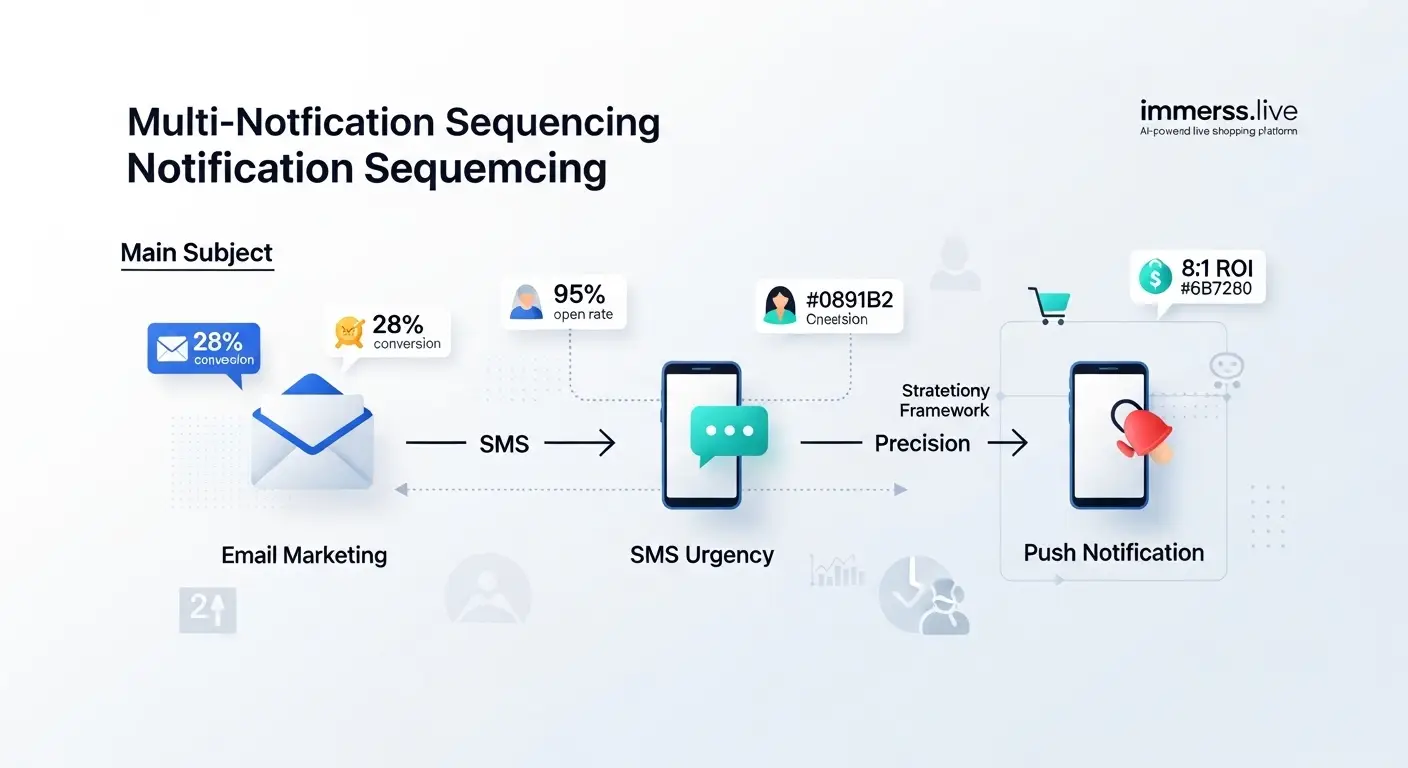
The three recovery channels are not interchangeable. Each does one job well, and the sequence works because they hand off to each other rather than repeat.
Email is the foundation. It carries context: the exact items, product imagery, reviews, shipping and returns detail, and the reasons to finish. It is cheap, flexible, and the natural home for the first recovery touch and any longer explanation. A standard cadence is three emails — roughly one hour after abandonment, one day after, and three days after — each shifting from reminder to reassurance to a final reason to act.
SMS is the urgency channel. Texts are opened within minutes, which makes SMS the right tool for a time-boxed reason to return — low stock on the item in the cart, the end of a promotion, a shipping cut-off. Its immediacy is also its risk: over-send and you train people to opt out. SMS belongs later in the sequence, after email, and only when there is genuine urgency to convey.
Push notifications are the precision tool. For shoppers on your app or opted into web push, a notification is instant, low-friction, and best triggered by a specific event rather than a schedule:
- Restock alerts for an out-of-stock item the shopper wanted.
- Price-drop alerts on a wishlist or previously abandoned item.
- Checkout reminders for a session that reached payment and stalled, while the intent is still fresh.
Sequencing and timing
Effective recovery is a coordinated sequence, not three separate campaigns firing at once. The message evolves across channels — email explains, SMS creates urgency, push offers one-tap convenience — while total frequency across all channels stays inside the shopper’s tolerance so you recover the cart without earning an unsubscribe. Behavioral triggers make this sharper: a browse-abandonment path (viewed, never added) reads differently from a checkout-abandonment path (reached payment, stalled), and the second deserves a faster, more direct nudge because the intent is stronger.
Compliance is not optional
Multi-channel recovery runs straight into privacy law, and the penalties are real. Email and SMS both require clear consent and an easy opt-out; GDPR expects explicit, channel-specific permission for European shoppers, and TCPA governs SMS opt-in and opt-out in the US. Push notifications must respect Apple and Google platform policies. Build consent and suppression into the sequence from the start — retrofitting it after a complaint is far more expensive.
Where automated sequences hit a ceiling
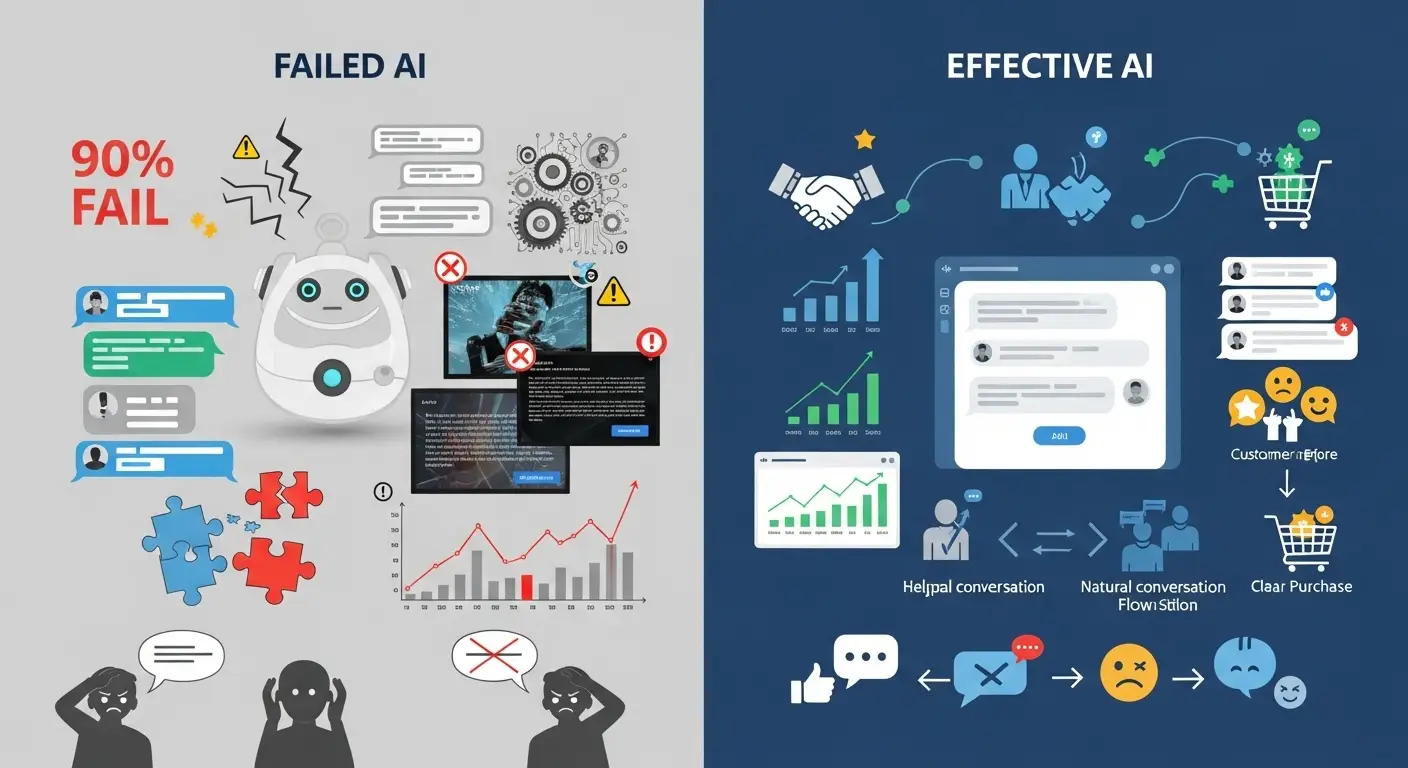
Do all of this well and you will recover a meaningful share of abandoned carts. You will also notice the recovery rate plateau, and the reason is structural: a notification sequence can remind, reassure, and incentivize, but it cannot answer.
The carts that resist automation are usually the considered ones — a higher-priced item, an unfamiliar brand, a sizing or fit doubt, a “will this actually work for me” question. The shopper didn’t forget the cart; they hit a question and left to think, and no scheduled email closes that gap because the shopper needs a specific answer at the moment of doubt, not a discount two days later. For high-consideration categories this is most of the lost revenue, not a rounding error — the same dynamic we cover in reducing cart abandonment for high-ticket ecommerce and in the broader $4-trillion cart abandonment problem.
The missing layer: answer the question in the session
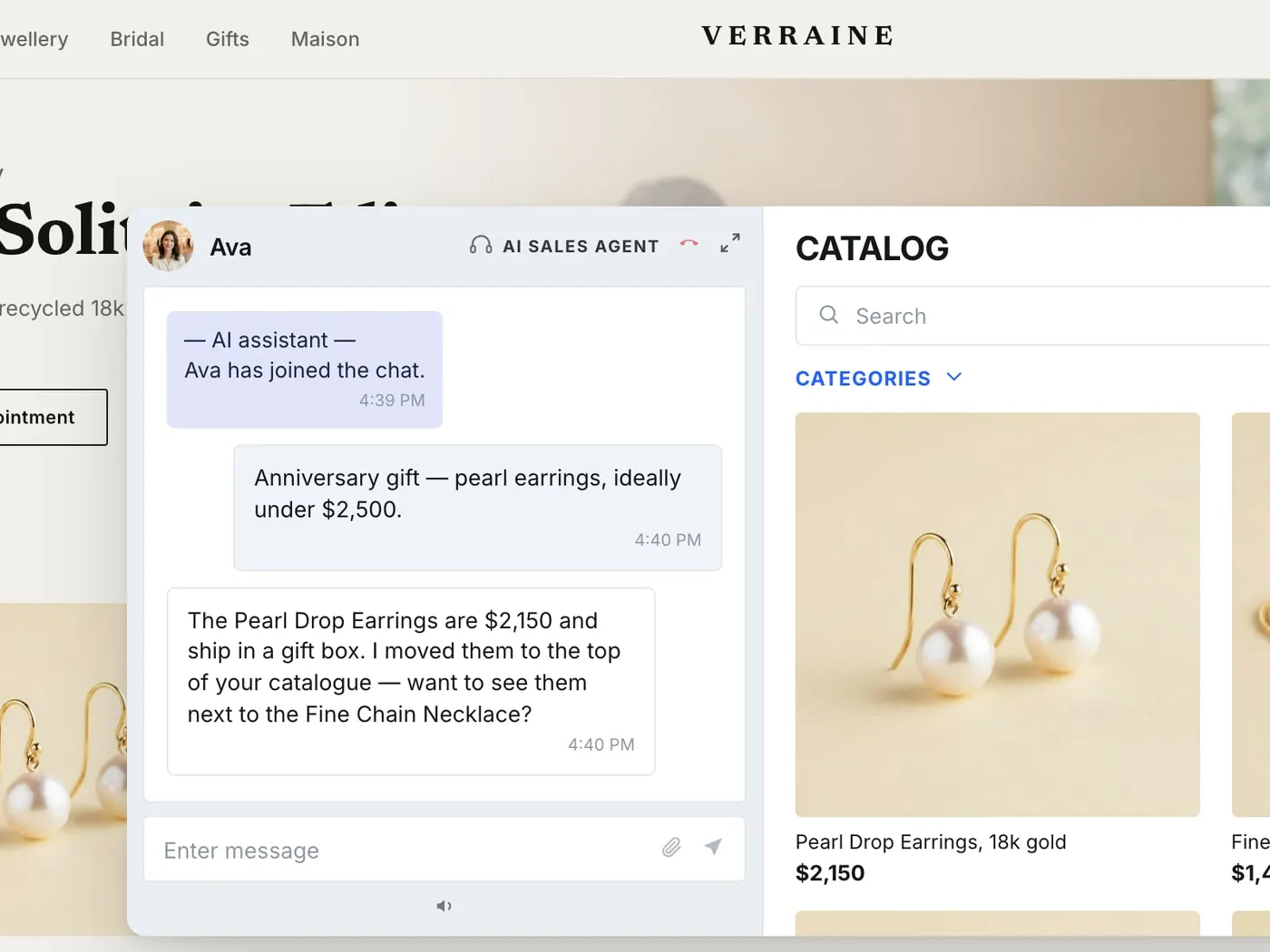
The recovery move automation can’t make is a conversation — held while the shopper is still there, before the cart is abandoned at all. That is what an AI sales agent does: it sits on the storefront, reads the shopper’s browsing and cart, answers questions about fit, materials, sizing, and suitability in the moment, and guides them to checkout. When a question needs a person — a styling call, a genuine judgment — it escalates in one tap to a live human on video who can see the products, recommend, and add to cart. That handoff is the part a chatbot and a notification sequence both lack, and it is the difference between deflecting a shopper and actually helping them buy.
This keeps the promise the three mandatory principles describe: it is Human where a human helps, Personal because it responds to this shopper’s actual question, and Measurable because every assisted session and recovered cart is attributable. It doesn’t replace your email/SMS/push sequence — it recovers the carts that sequence was never going to reach. If you’re weighing how this differs from a scripted bot, the AI sales agent vs chatbot vs live commerce comparison lays out the distinction, and the pillar guide on an AI sales agent available 24/7 covers the model in full.
Two ways to add it
Immerss runs this layer as three modules — an AI Sales Agent, Clienteling (1:1 live co-shopping and outbound), and Video Commerce — on top of the recovery sequence you already run.
- Smaller merchants can self-serve. immerss.ai installs the AI sales agent on Shopify, WooCommerce, or Salesforce, syncs your catalog automatically, and starts with a free plan — the assistant answers in the session and hands off to a human when it matters. No sales call required to try it on your store.
- For a larger brand, the entry point is a conversation. A multi-module programme — live shopping events, outbound clienteling, PDP video — is worth scoping together. Book a demo and we’ll show it on your catalog.
Recovery notifications win back the carts that were abandoned for reasons a message can answer. For the rest — the considered carts, the ones that leave on an unanswered question — you need something that can answer. Build the sequence, then add the layer it can’t replace.