Radley London
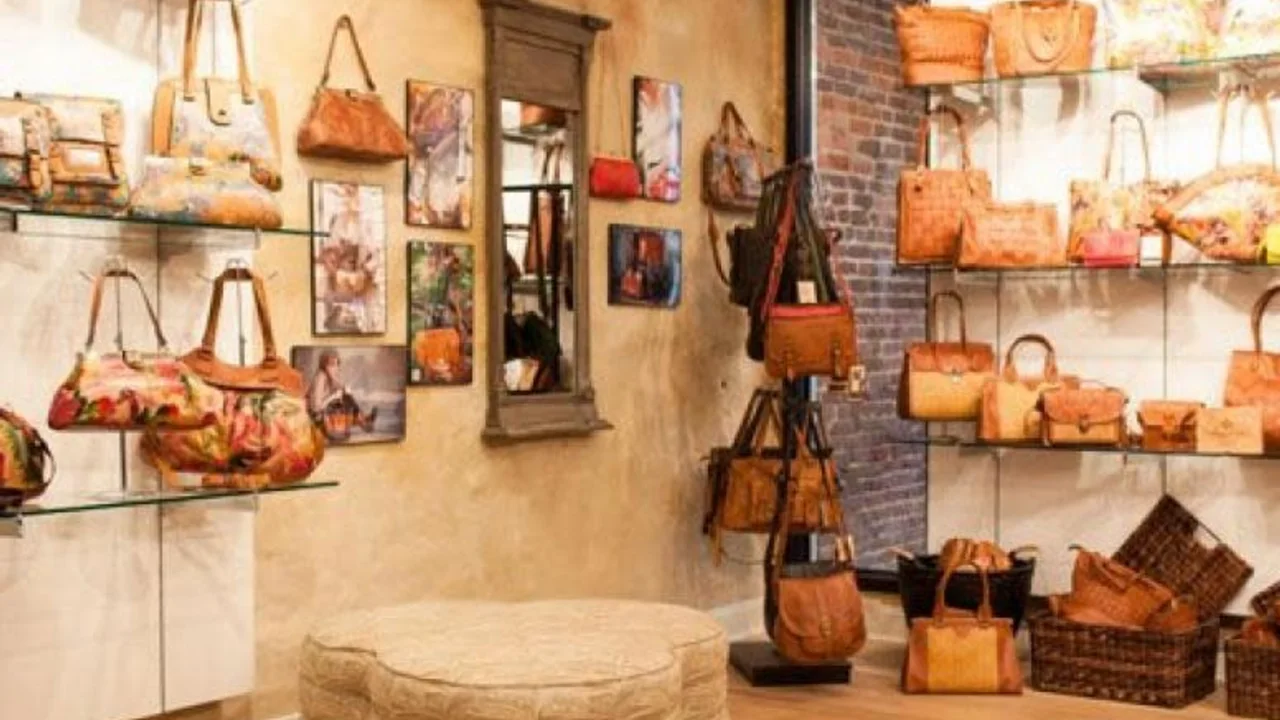
The London-store answer, on every product page.
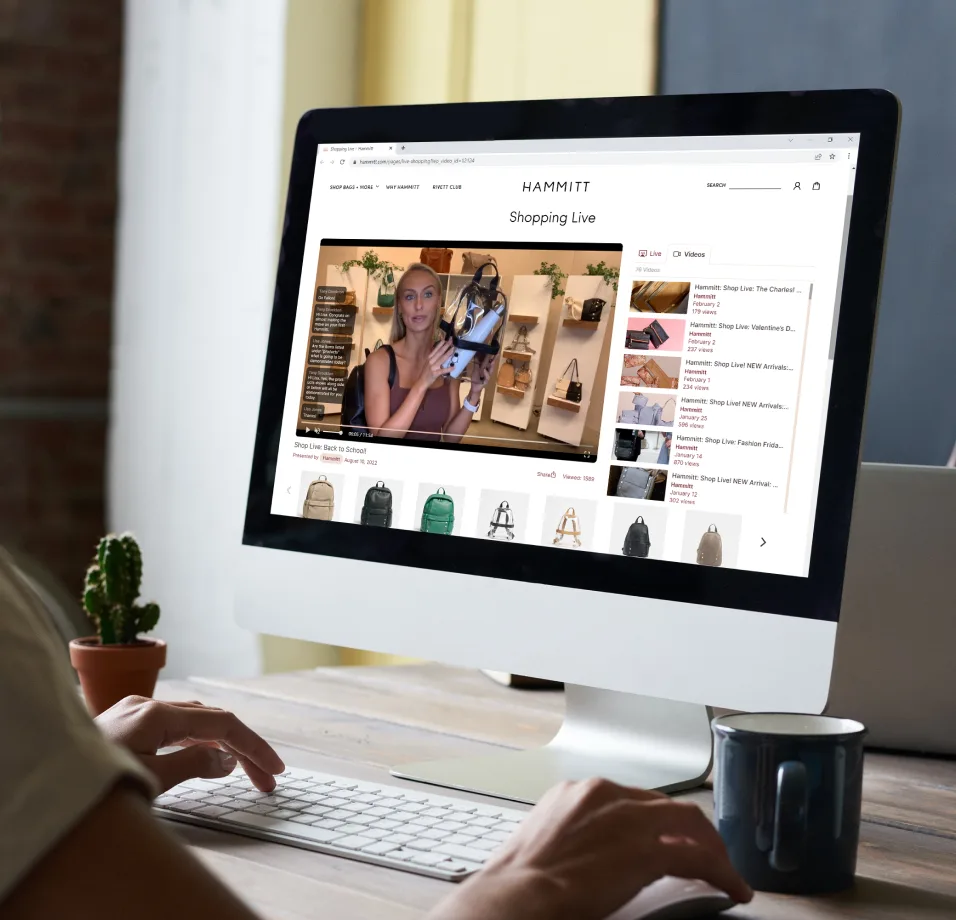
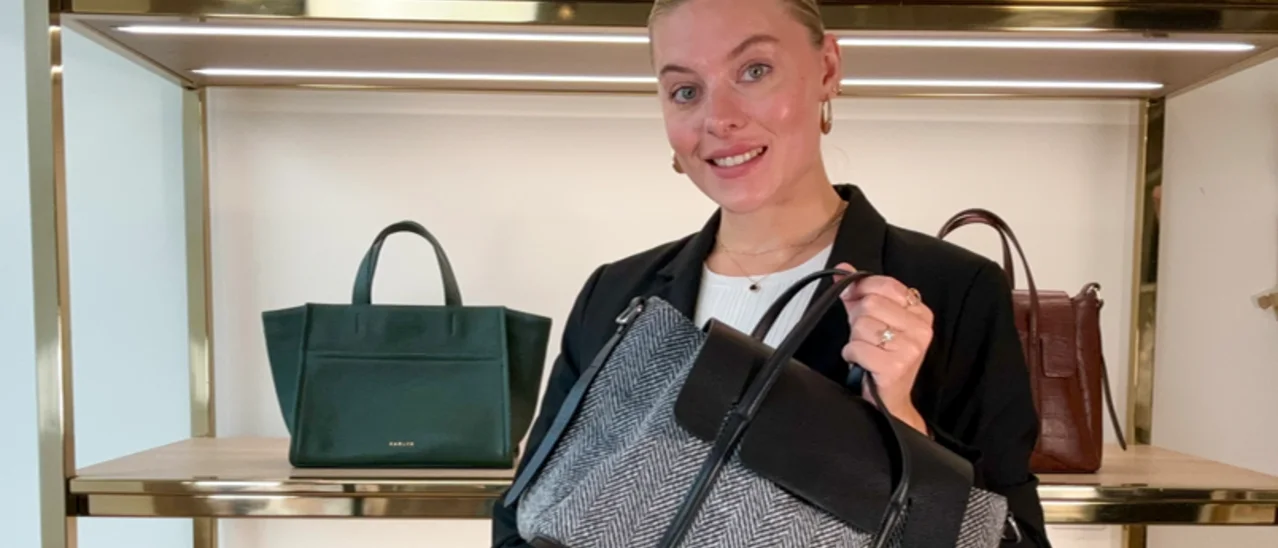
Nineteen live shows, hosted from the shop floor between March and December 2024. The recordings stayed shoppable afterwards.
When a shopper gets an answer, they buy.
The problem
A handbag is decided on the details a product page lists but does not answer. Will it hold what I carry. How long is the strap on me. Does that colour age well. In a London store somebody settles all three in a sentence, and the sale happens in the same minute.
Online the question usually goes nowhere. It is not big enough to open a support ticket over and not small enough to guess at, so the shopper closes the tab — and the store records a bounce rather than a question it could have answered.
What changed
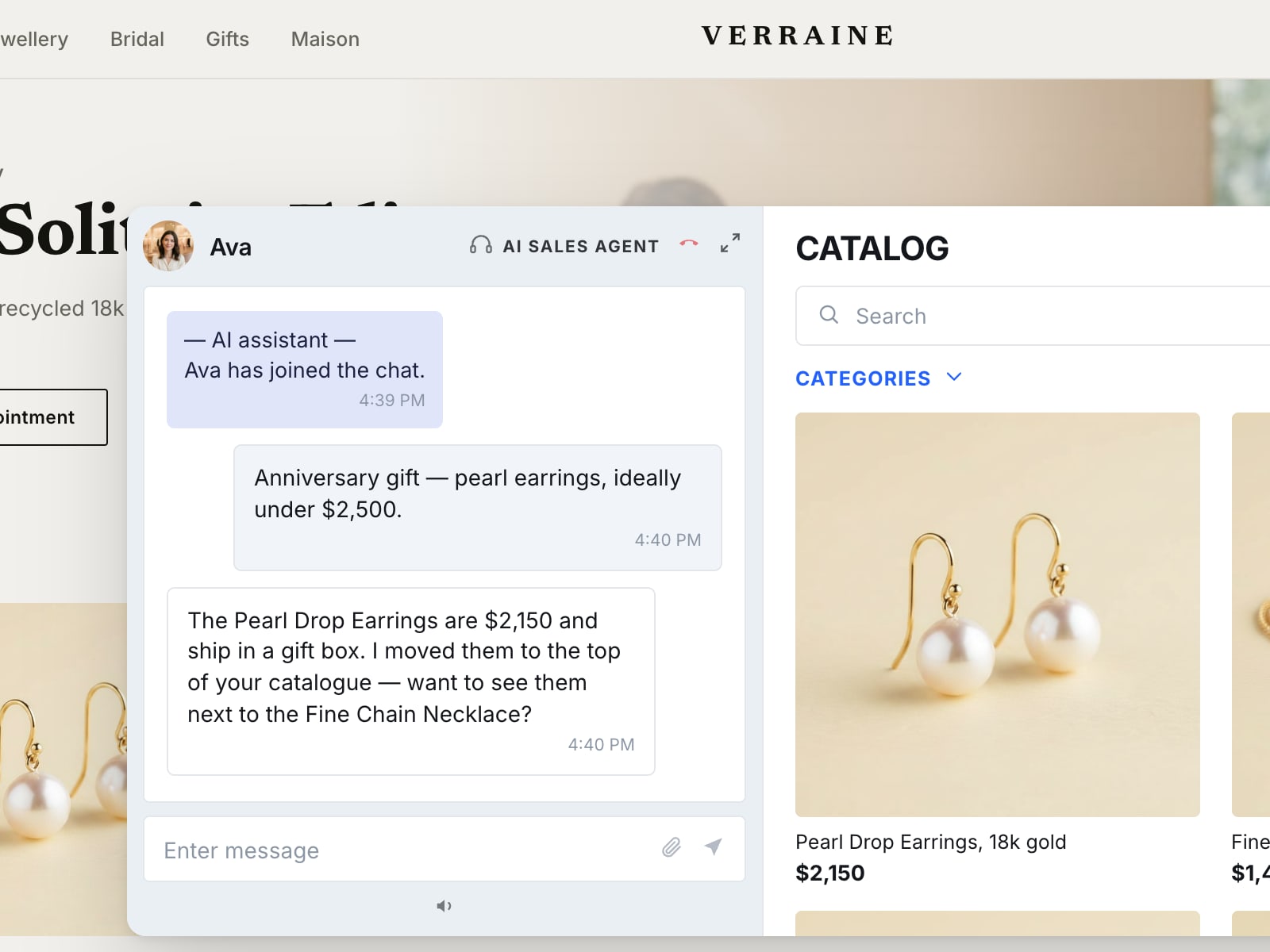
The AI Sales Agent answers on the product page itself, from Radley's own catalogue: what is in stock, what the material does, what goes with what, and where to go next. It is built to sell rather than to deflect — the point of the answer is the purchase, not the closing of a ticket — and it does not clock off at six.
Behind it Radley also runs live events and keeps the recordings, so a shopper who wants more than an answer has somewhere to go. A browsing session can become a conversation, and a conversation can become an order.
The result
Across more than 8,000 AI-assisted sessions, and thousands of live chats beside them, Radley London shoppers who engage buy at roughly 10% — about one in ten.
A typical online store converts 1.7–2% of its visitors overall. That makes an assisted session worth close to five ordinary ones, at a volume no shop floor could be staffed to match.
Baseline: typical online stores convert around 1.7–2%. Sources: IRP Commerce and Smart Insights, 2025. Immerss figures are conversation-level and attributed to Radley London.