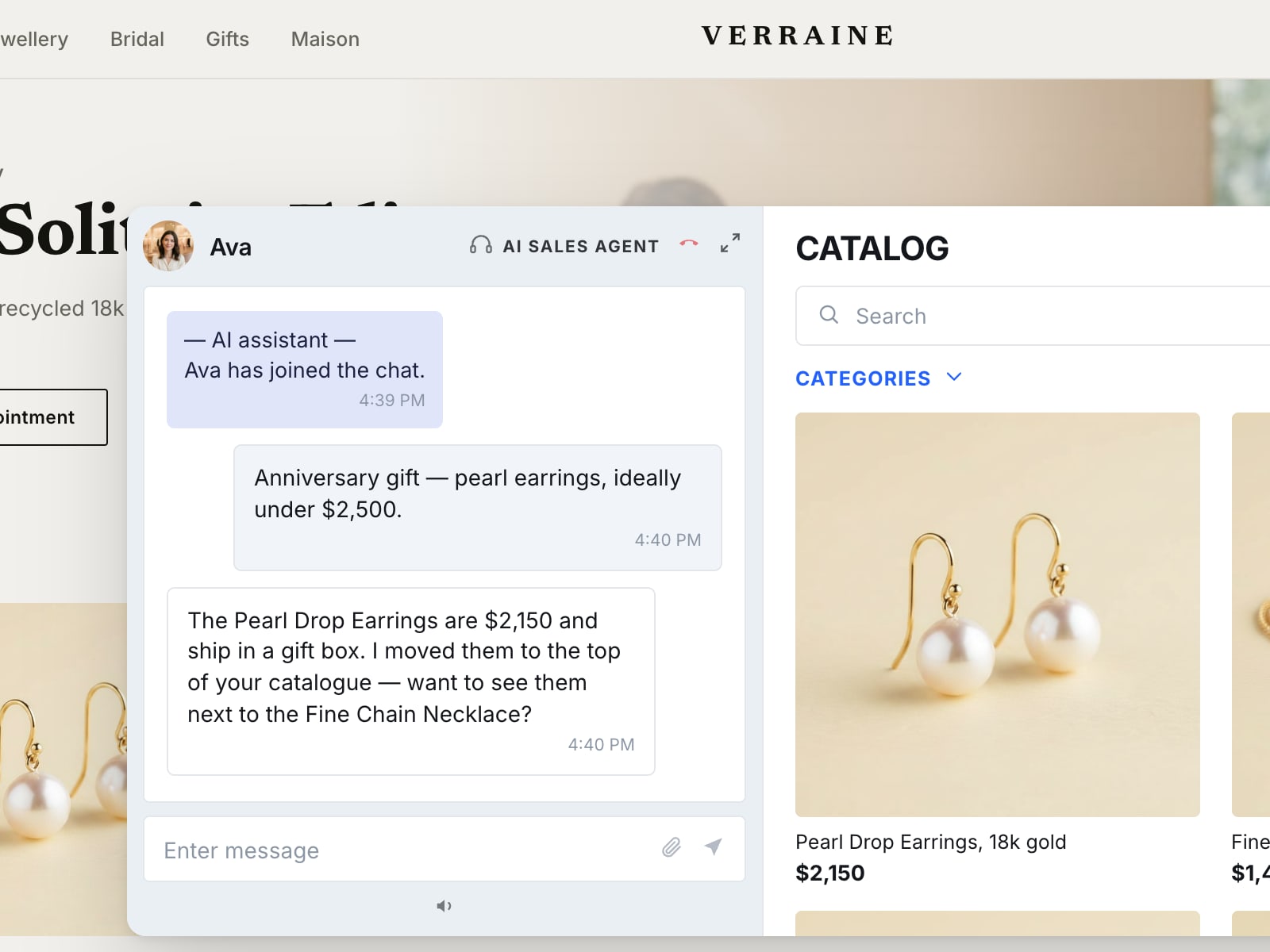

Jewelry is sold by showing it, and a photograph does not cut it
Live consultation inside your own storefront
What the jewelry buyer is stuck on
It is not the price, and it is not another angle of the same photograph. Four things, and a product grid answers none of them.
The scale cannot be read. A solitaire on a white background could be under a carat or over two, and a bangle's inner diameter means nothing until it is against a wrist. The shopper is not asking for a bigger picture — they are asking how big it is, and a page has no way to tell them.
The light is half of what they are buying. A stone is judged on how it moves. A still frame holds the one thing a diamond does not do, so the part being paid for is the part the photograph removes. Getting it back takes a camera in someone's hand and a person who knows where to put it.
The best stock is never on the site. Trunk-show cases, estate pieces, single commissions: much of what a jeweler most wants to sell exists for a fortnight, in one room, in one city. It never earns a product page, and the clients who would buy it are not in that city.
It is an occasion, and it has a date. An engagement, an anniversary, an heirloom being reset. The buyer is usually a novice on the technical half, is sometimes shopping in secret from the one person whose opinion matters, and is always working to a deadline. Filters for carat, cut, colour and clarity ask them to specify exactly what they came in not knowing.
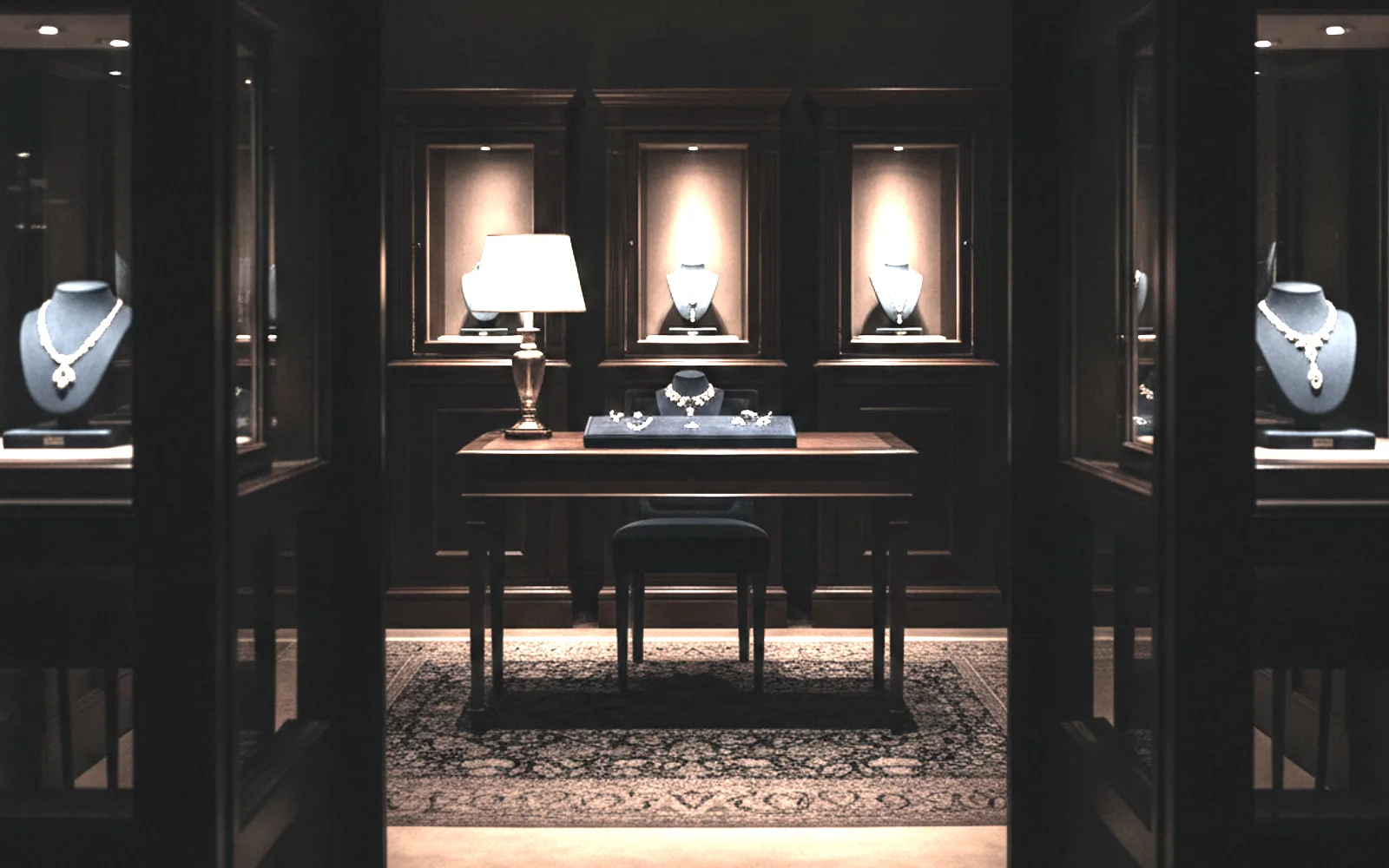
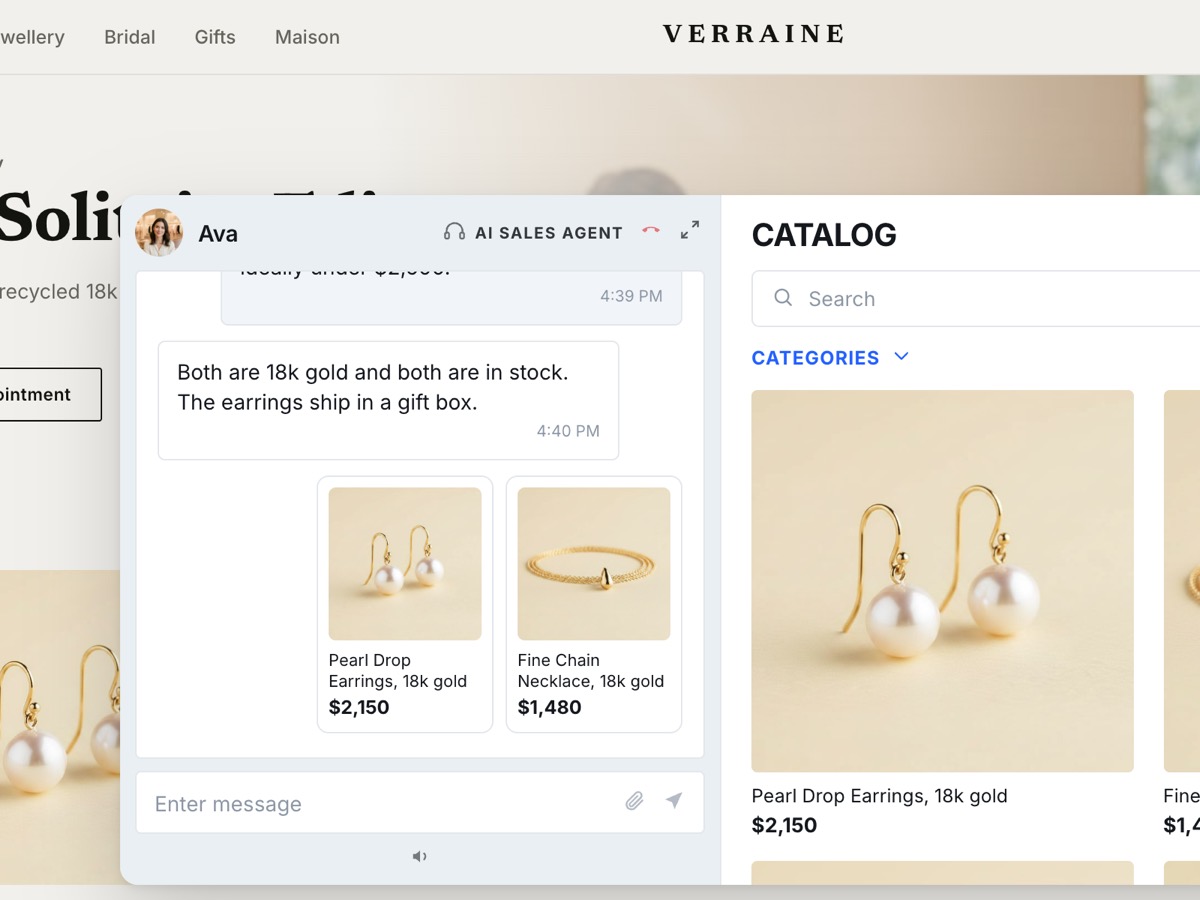
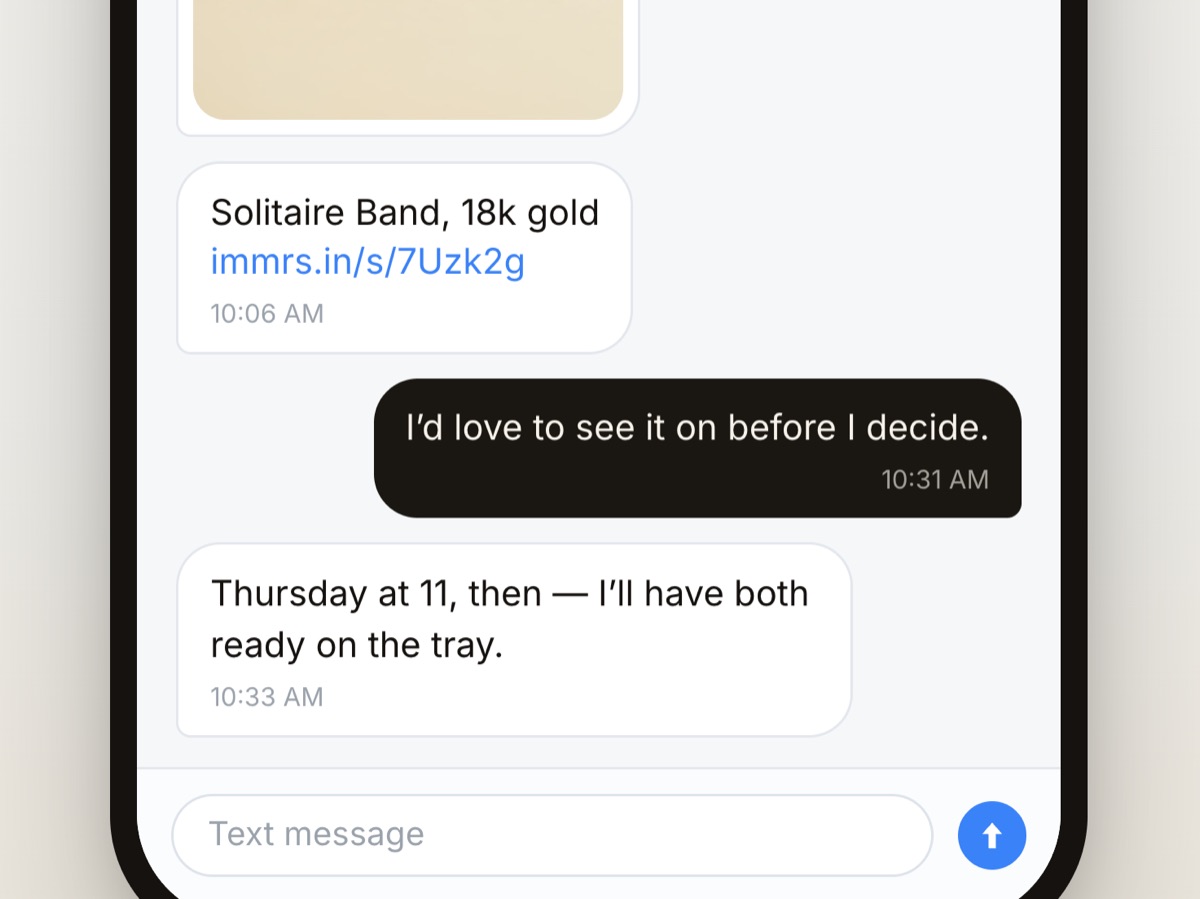

“Associates can ‘walk’ our customers through the store showing pieces in real life and send corresponding links to the customer to purchase online.”

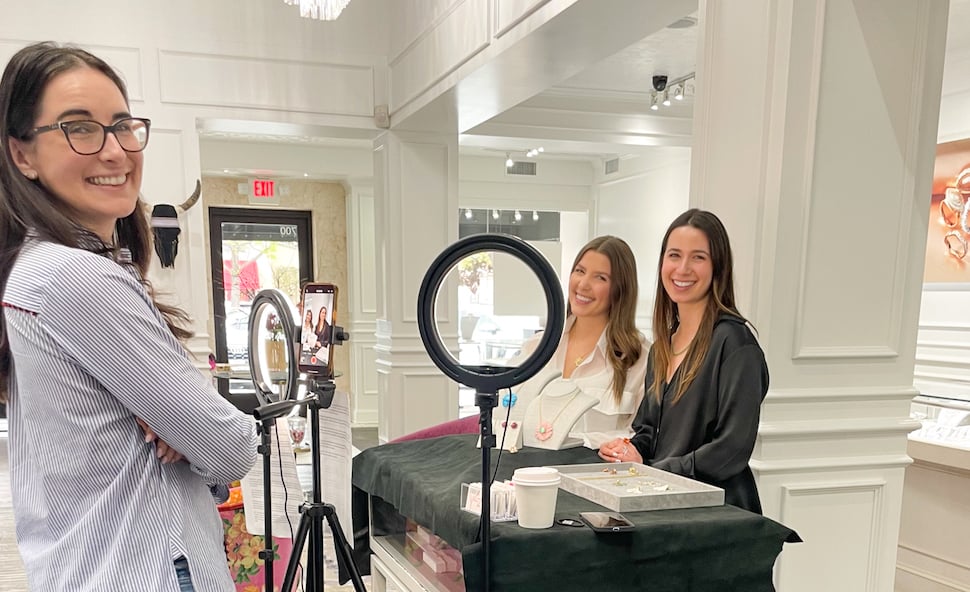
A Ylang 23 trunk show, live on Immerss.
Written for jewelers
All insights →



FAQs
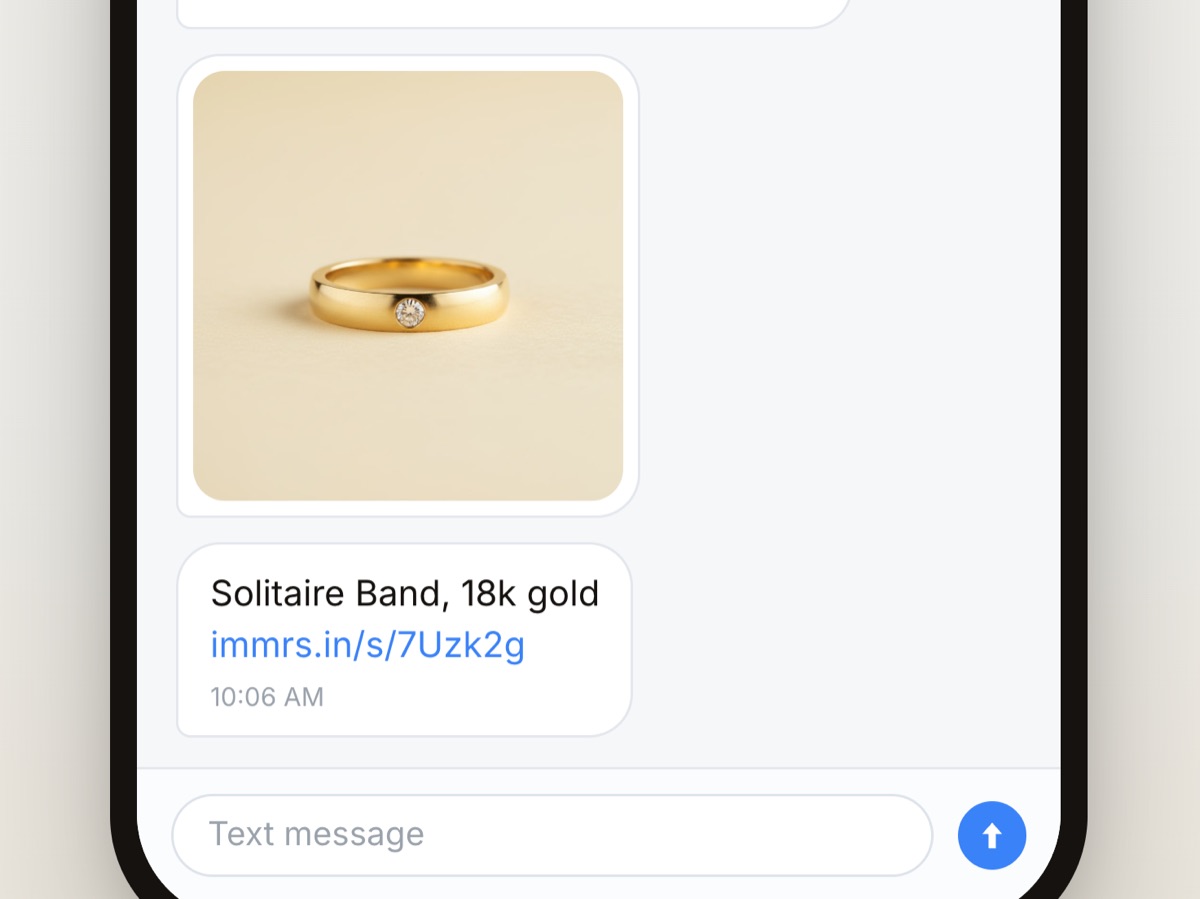
That is the situation this fits best. Trunk-show stock, estate pieces and single commissions live for days, in one room, and never earn a product page — Ylang 23 puts precisely that on live video for clients who cannot get to Dallas, and its associates text the photograph and a link to the ones whose taste it fits. Nothing has to be listed first: the conversation carries the piece, and checkout happens inside the session.
It works the other way round. The secrecy is exactly why they cannot ask the one person whose opinion they most want, and the unfamiliarity is why a filter panel fails them: carat, cut, colour and clarity ask a first-time buyer to specify the things they arrived not knowing. A private one-to-one call with somebody who explains the trade-offs in plain language — including which ones are not worth making — is the only part of the funnel that answers the question they actually have, which is whether they are doing this right.
No, and it would be a waste of one. The AI sales agent takes the opening questions — materials, stock, price, sizing, shipping — and works out who is actually deciding. The gemologist joins the conversations where cut quality, inclusions and proportions are the question, and arrives already knowing what has been discussed. We are on the record about the limit: an algorithm does not see what a GIA certificate and fifteen years of looking at stones see, which is why the model is hybrid rather than automated.
The session does, and the associate who ran it. Every order stays attached to the conversation it came out of, by associate and by piece, so a programme built on relationships does not quietly become an argument about whether the website or the floor made the sale. In a family business where the owner personally takes the engagement rings and the generational commissions, that record is also what shows which hours are worth the owner's time and which are not.