
The spec sheet is complete, and the shopper still cannot choose
Which model, and what it actually works with
Where the specification stops being the answer
Four situations this category produces constantly, and more specification does not resolve any of them.
Every difference is listed and none of them is ranked. A range is built so that each step up matters to somebody, and the page publishes the full matrix without saying which row matters to this shopper. The buyer is not short of information — they are short of somebody who will say which two of the eleven differences apply to what they actually do.
“Will it work with what I already have?” Ports, standards, the cable, the accessory bought two years ago, the thing it has to talk to. It is the most common question in the category and the one a product page answers worst, because the answer depends on what is already in the shopper's house — which is information only they have and only a conversation gets at.
The price is not the price. Trade-in, instalments, warranty, the bundle, what the previous device is worth. Every one of those is a step the shopper has to work out alone on a page designed to show one number, and every one of them is a place where a basket that was ready goes quiet.
The worry is the first hour, not the purchase. Setting it up, moving the data across, whether the old one keeps working in the meantime. Nobody abandons a basket saying so, but the hesitation is real, and it is settled by a person in ninety seconds and by a help centre article almost never.

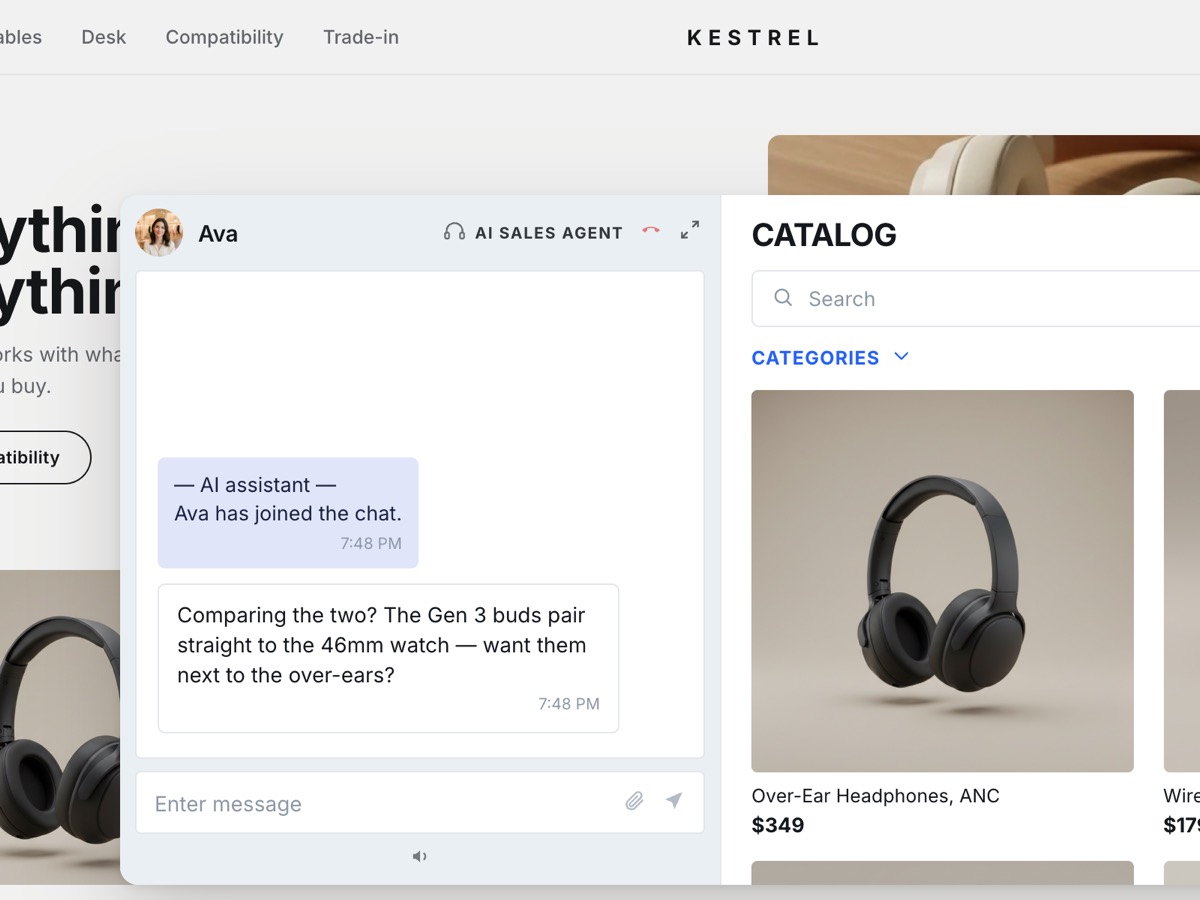
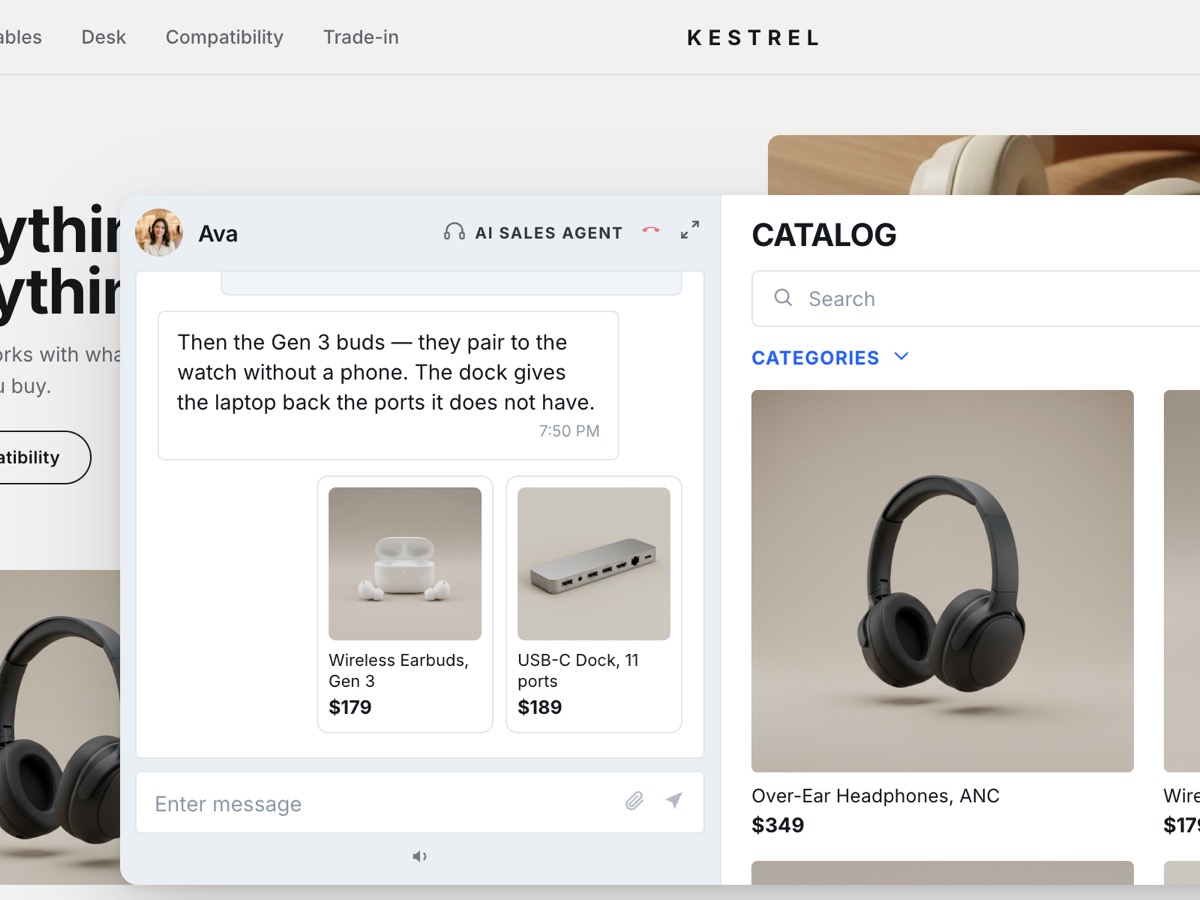
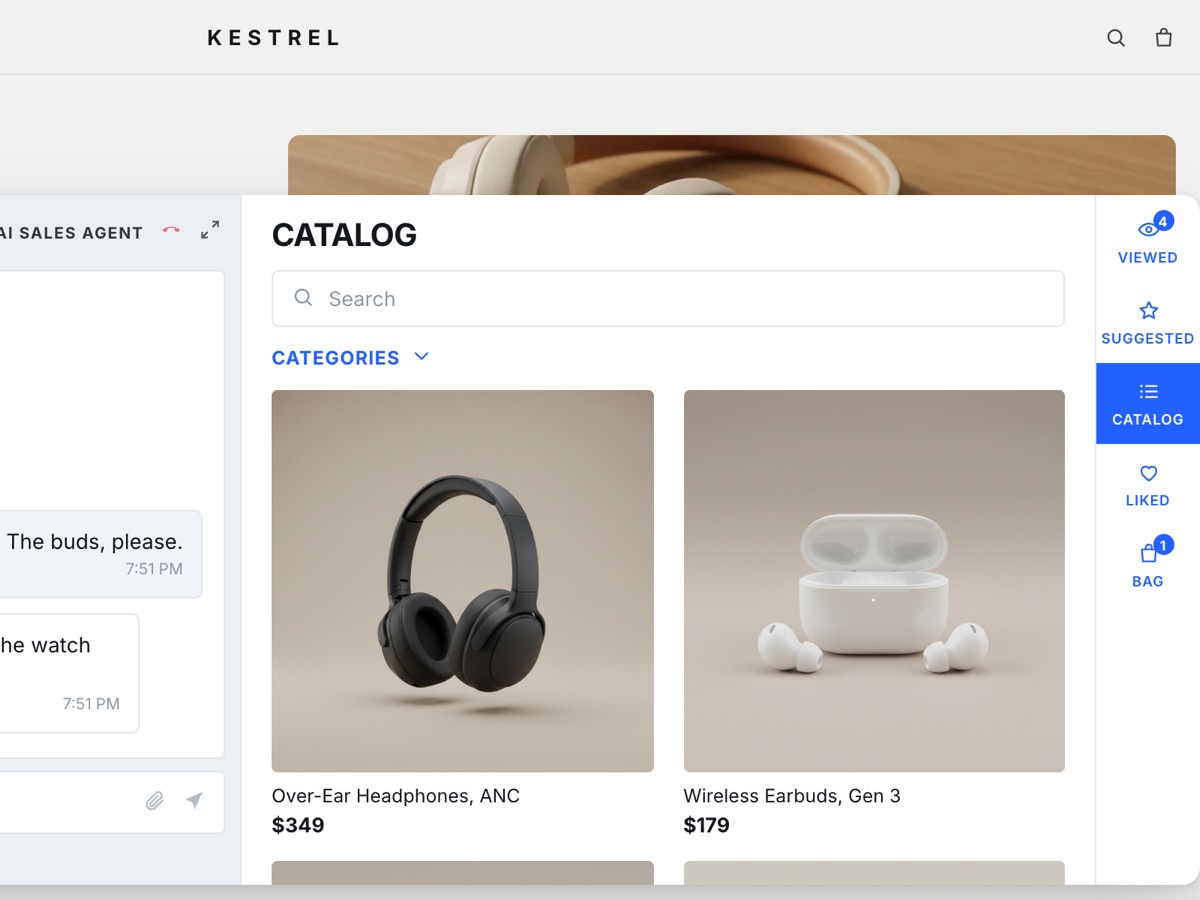

iStore is on Immerss. The question that stalls a ready basket is the one a person answers in a sentence.
On selling a considered purchase
All insights →


Eleven differences, and none of them ranked
The matrix is complete, accurate and, for a shopper who already knows the category, the fastest thing you could hand them. Its limit is structural rather than a shortcoming: it compares your products with each other, and the question that decides the order is about something that is not in it.
FAQs
As fast as your catalogue does, because that is what it answers from. It is not trained once on a snapshot of the range and left to go stale — the specification, the price and the stock it quotes are the ones on your site that morning. A launch does not need it retrained; it needs the product published.
It is built for the selling half on purpose, which is the distinction worth checking in anything you are shown: an agent tuned to deflect tickets measures success by conversations that ended, and one tuned to sell measures it by orders. In this category the two look identical from the outside — the question is almost always “will this work with what I have”, and answering it well is support and selling in the same sentence.
Yes, and it is the strongest reason to put a person on video in this category. An advisor with the unit in hand can show the screen, the ports and the size against something familiar, which is the part a specification table cannot do at any length. What gets shown once can also be recorded and left on the product page for everybody who will never ask.