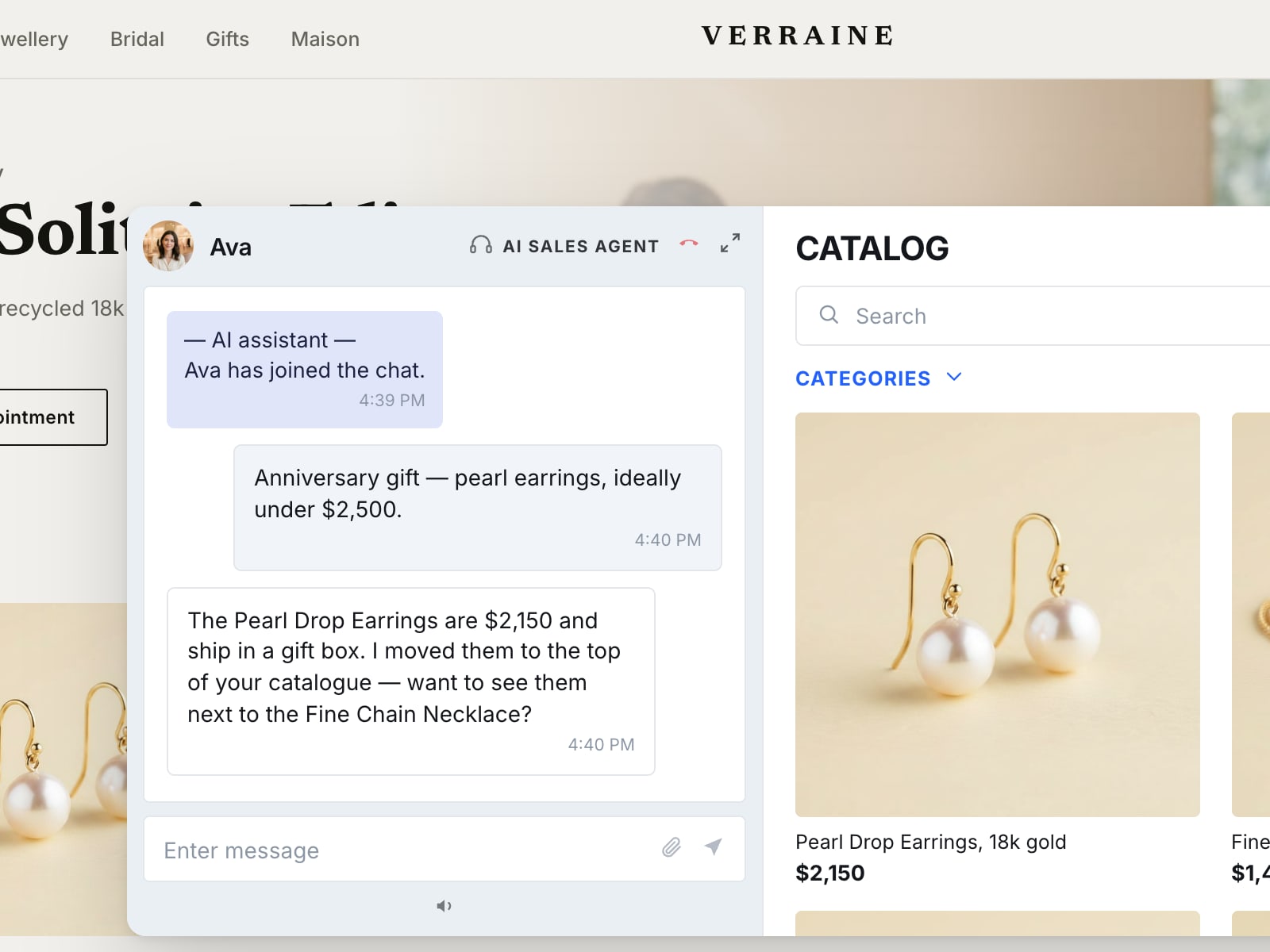

Clothes are bought on fit and on hand, and a size chart is neither
Fit and drape, shown by a person on live video
What a fashion shopper cannot find out
Four questions the product page cannot answer, and none of them is about the price.
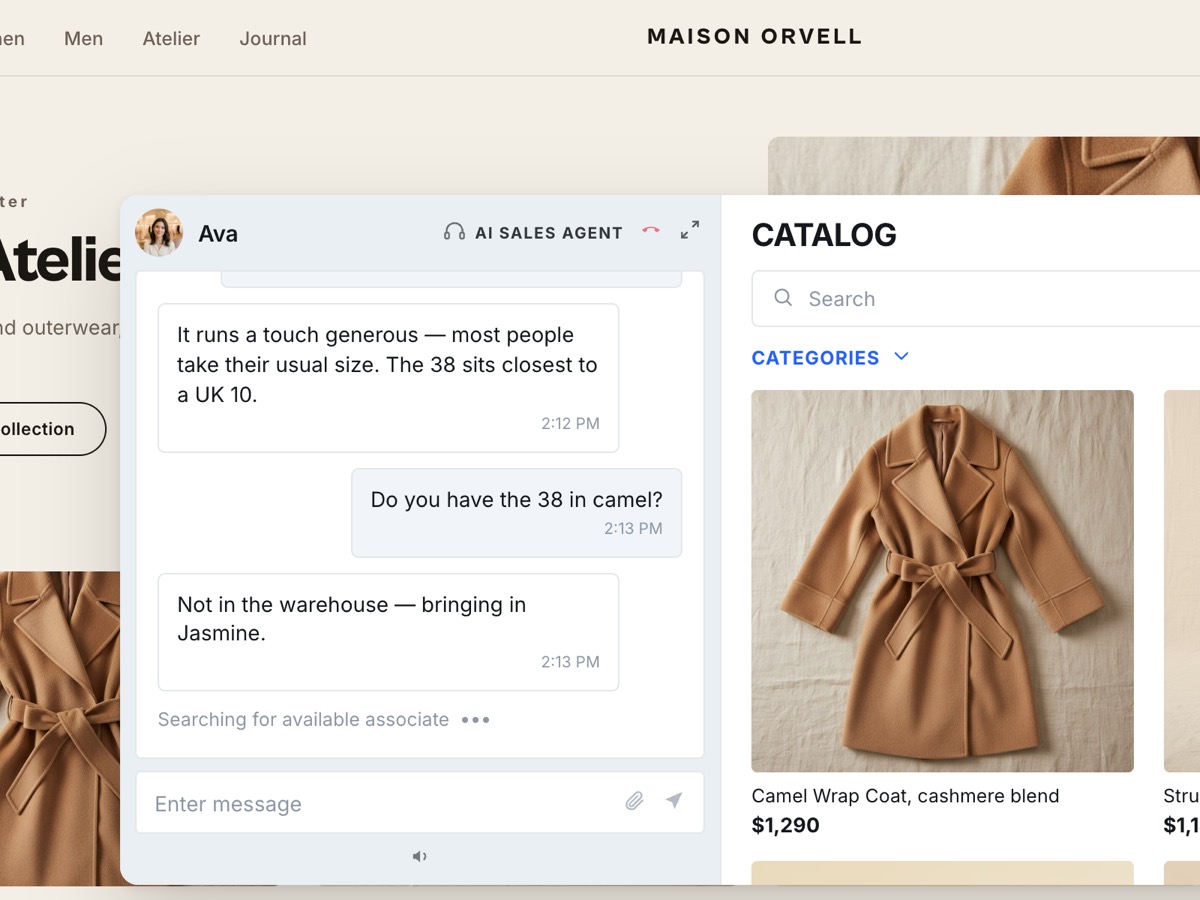
“Will it fit” is two questions, and the chart answers one. The number is a length. What actually sends the parcel back is volume — the width, the instep, the heel that slips, the shoulder that is right in the size and wrong in the shape. That failure never even reaches your return codes cleanly: it lands in “didn't fit”. A chart cannot fix it, and a person who knows the last can.
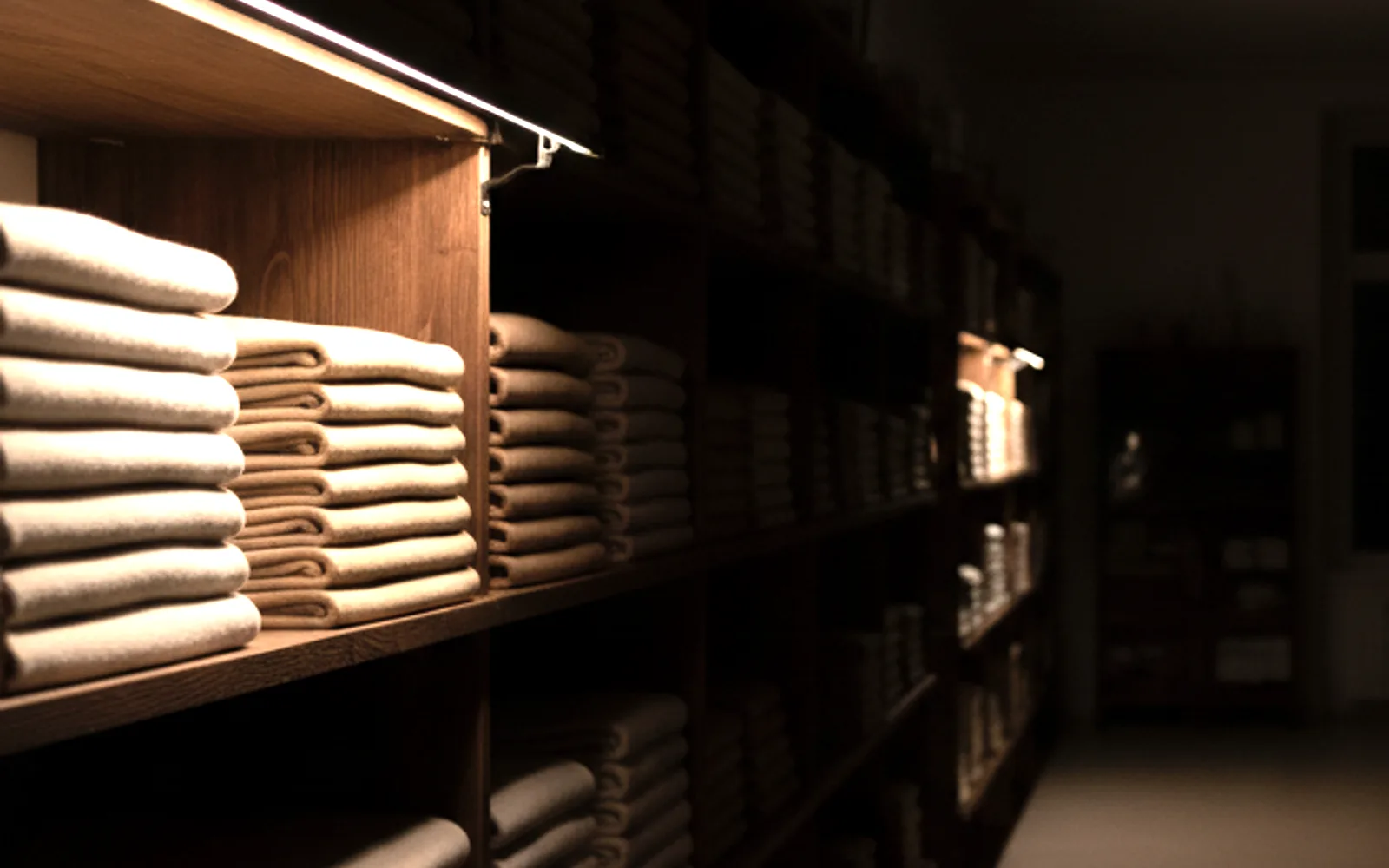
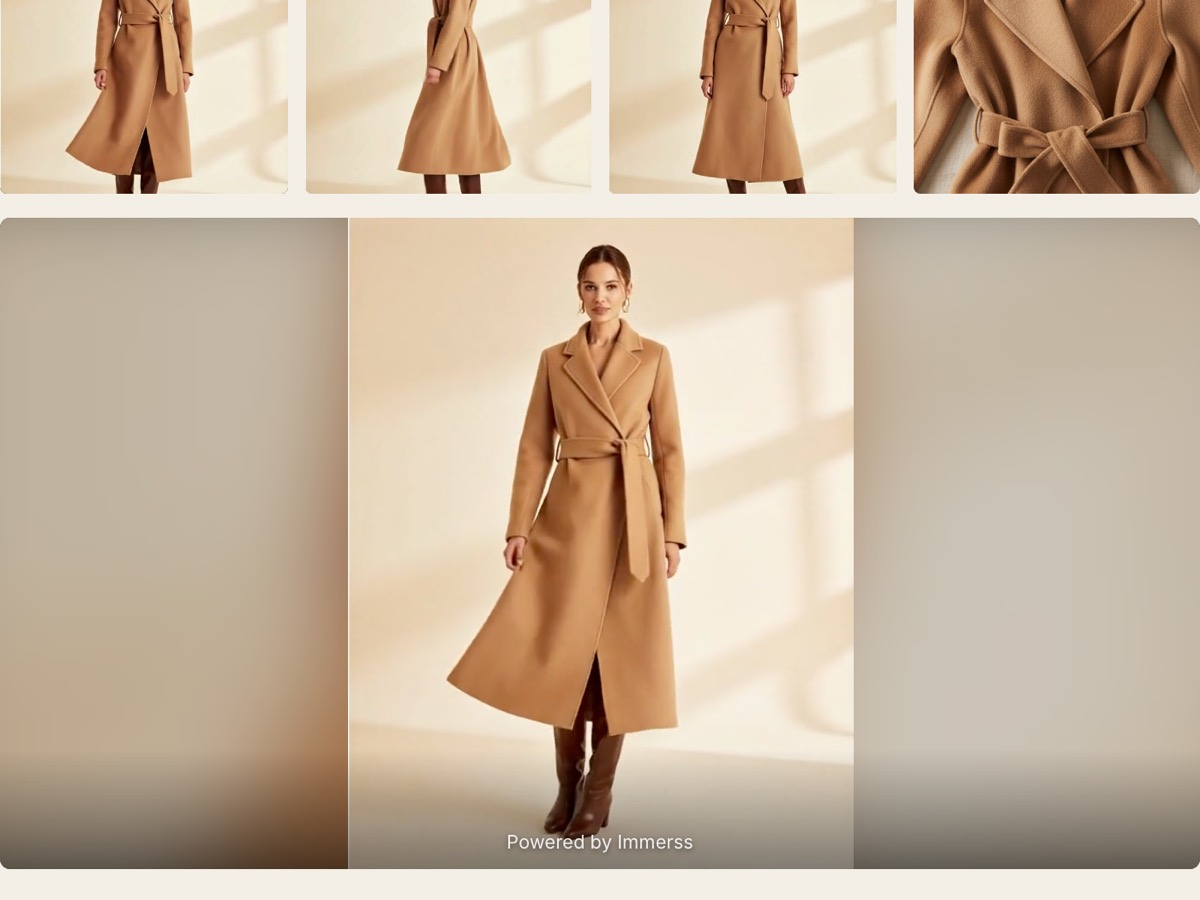
Hand and drape do not photograph. How heavy the cloth is, how a coat falls when the wearer turns, how a boot breaks across the vamp. On a rail the customer settles all three in four seconds without asking anyone. Online they are simply absent — and the shopper prices that absence in as risk, which is a discount you pay without deciding to.
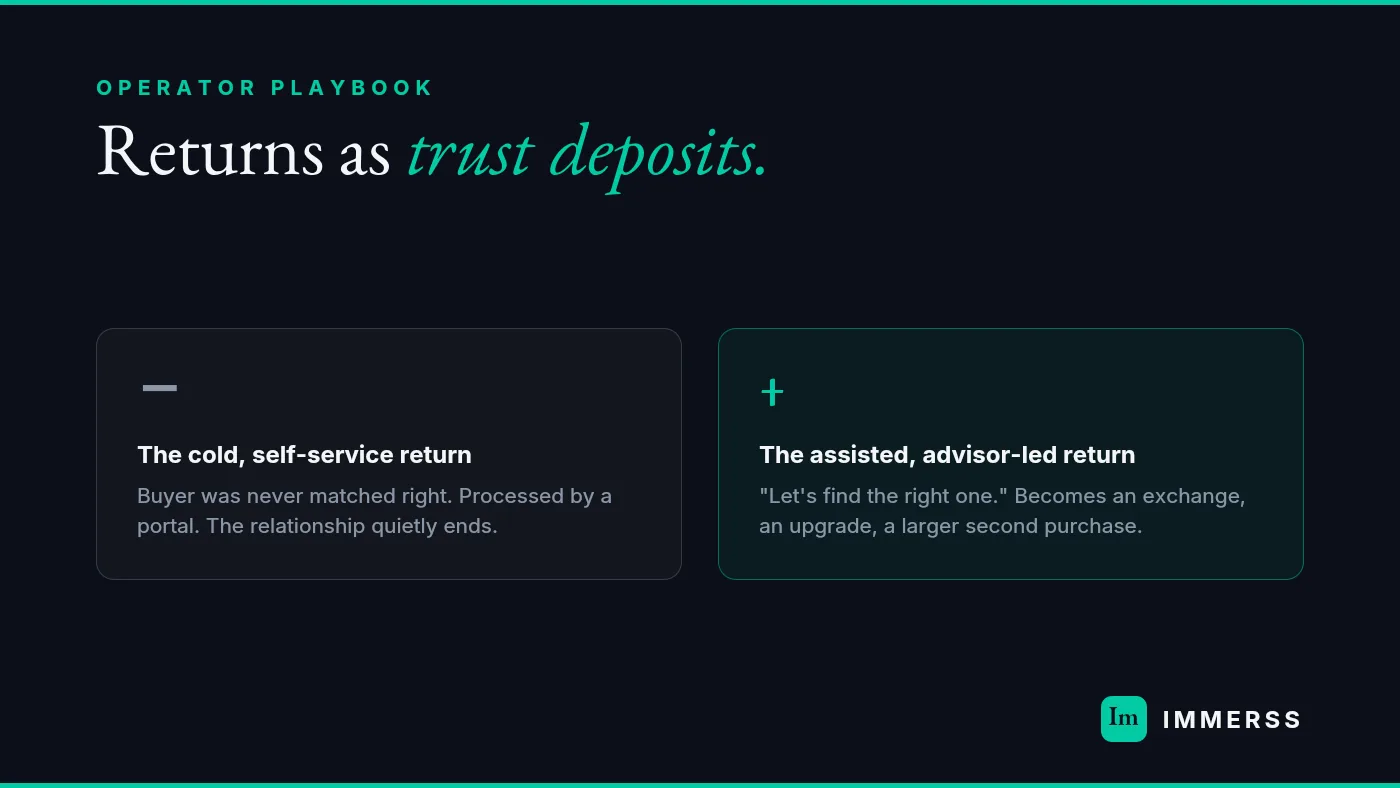
The hesitant shopper hedges by ordering three. One is kept, two come back, and the brand has paid to run a fitting room twice with none of the goodwill of having run one. The order looked like a good day in the numbers. It was one sale, two shipping legs and a garment that now has to be sold again as a return.
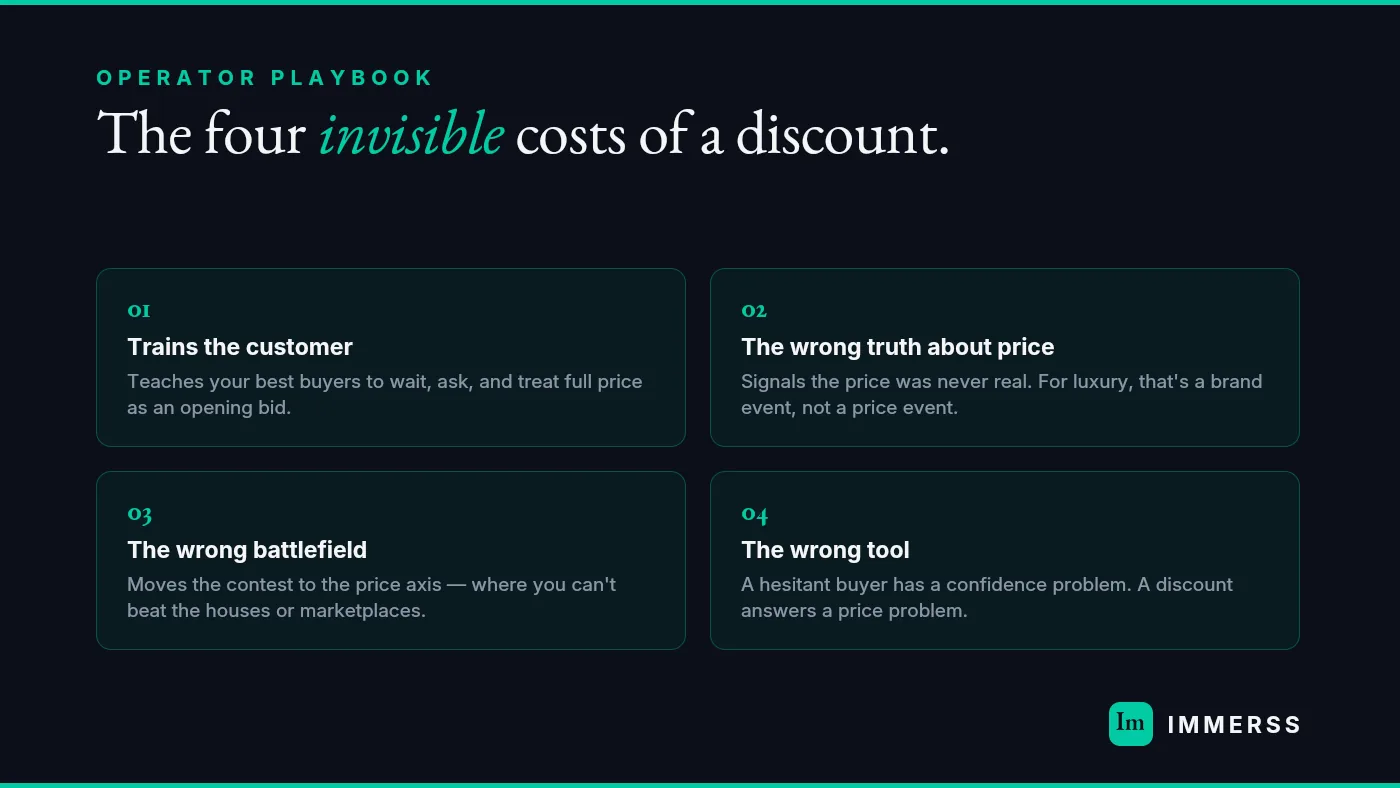
The season is a clock. A collection has weeks, not years, and anything that has not moved at full price by the end of them moves at a markdown. The discount clears the rail and teaches the customer to wait, so next season starts from a lower price expectation than the one before. The lever that avoids it is guidance early, not a bigger promotion late.

“Each boot has its own story. From its construction to the materials where it’s sourced, there’s only so much you can communicate on a product page on your website.”
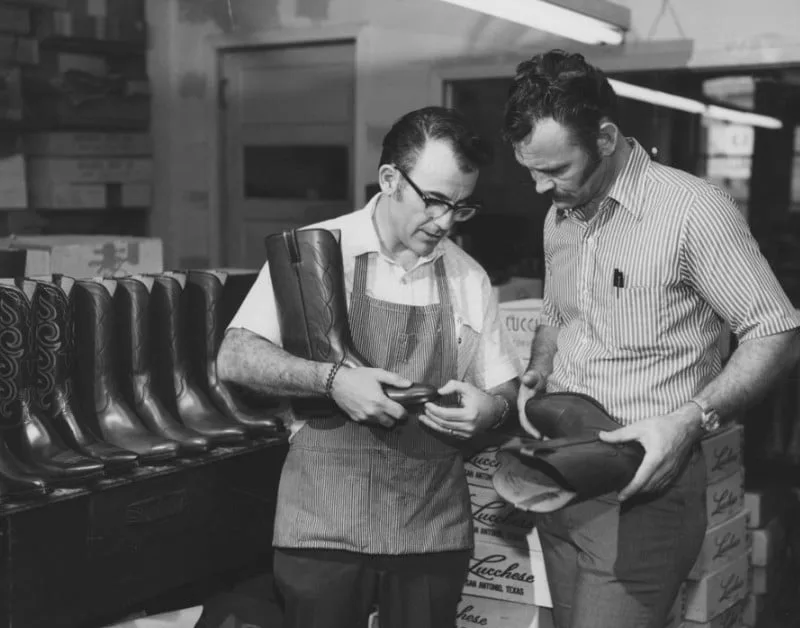
From Lucchese's own archive. The story of the boot has always been told across a counter — the question was who tells it to somebody who is not in the room.
Written for fashion brands
All insights →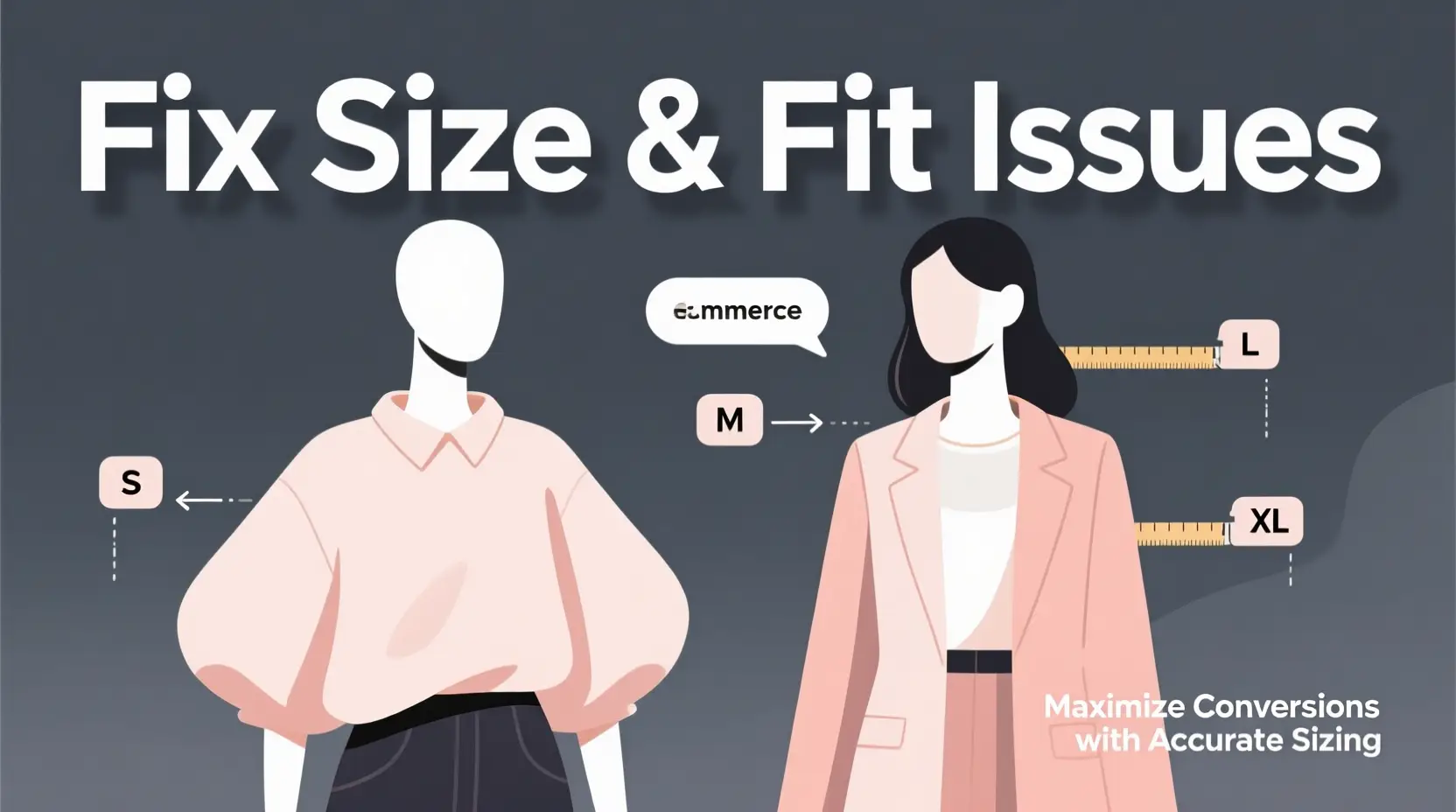

FAQs
Only if it is not a separate shoot, and it should not be. The footage comes out of the selling you are already doing: a live session is recorded once and becomes the loop on the product page, the clip in the library and the thing an advisor sends a client afterwards. New collection, one session, three placements. A programme that needs a production booking per drop dies at the second drop, which is the honest reason to build it this way round.
It changes the hedge, not the laws of physics. Somebody who has said out loud that their heel slips, or that they have never worn a D width comfortably, and has had an expert answer about that shoe, orders one pair instead of three — they bought with confidence rather than insurance. Returns do not go to nothing and any vendor who says otherwise is selling you something. What moves is the share of orders placed as a hedge, and that is the share you are paying twice for.
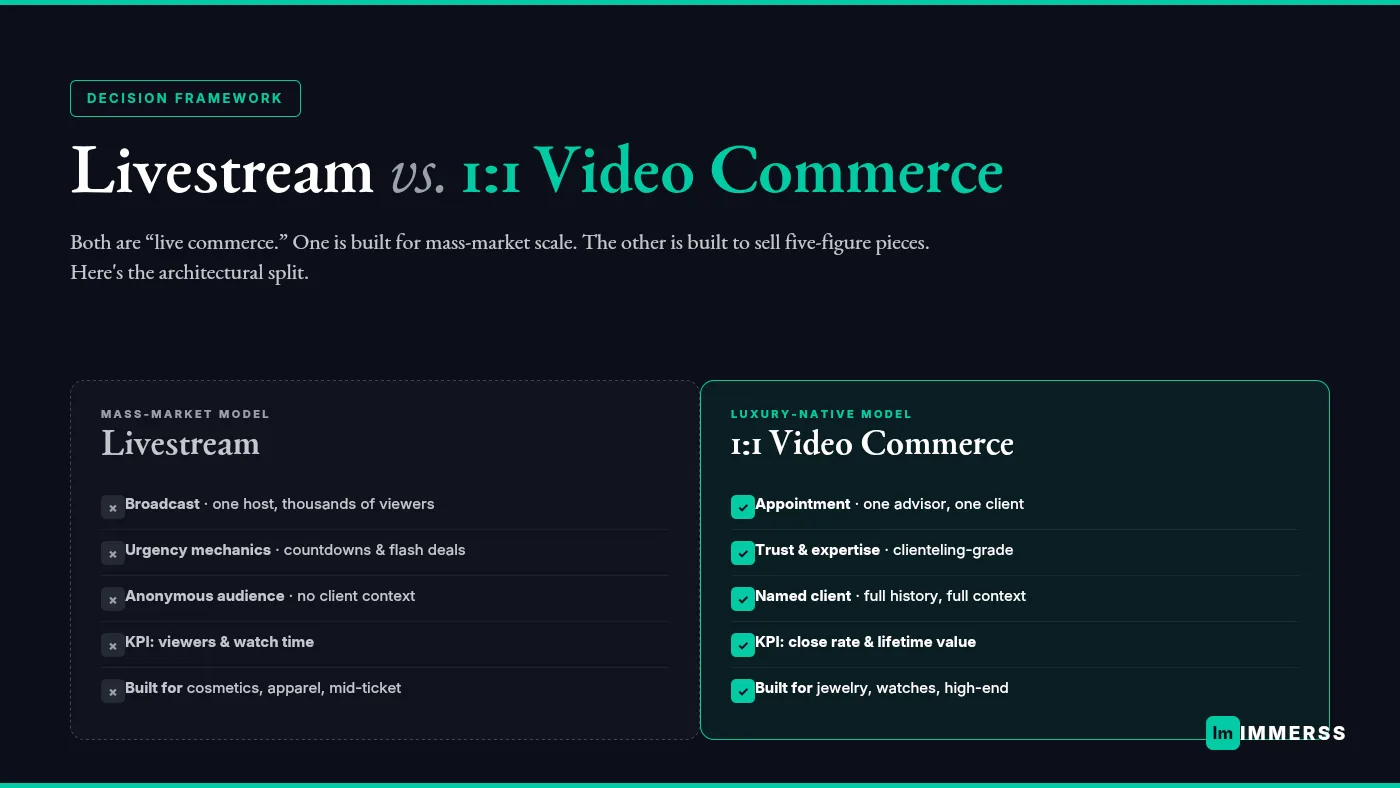
No, and for a luxury brand it should not. Broadcast selling runs on collapsing deliberation — a countdown, a public chat, a flash price — and all three fight the positioning of a house built on craft and real scarcity. A client deciding on a five-figure piece is consulting people and taking weeks, and does not want to do it in a room full of strangers asking about sizing. The private one-to-one call is the format that matches the purchase; the broadcast is a different product with different economics, and we run both because some brands genuinely want the second.
It is the lever that lets you avoid one. Discounting is usually a tools failure rather than a discipline failure: when the only thing a site can do with a hesitant shopper is show them a lower number, the markdown becomes the only lever there is, and every use of it teaches the customer to wait for the next one. Guidance is the other lever — an advisor who resolves the actual hesitation closes the sale at full price, and the sale that closes at full price does not have to be repriced next season.