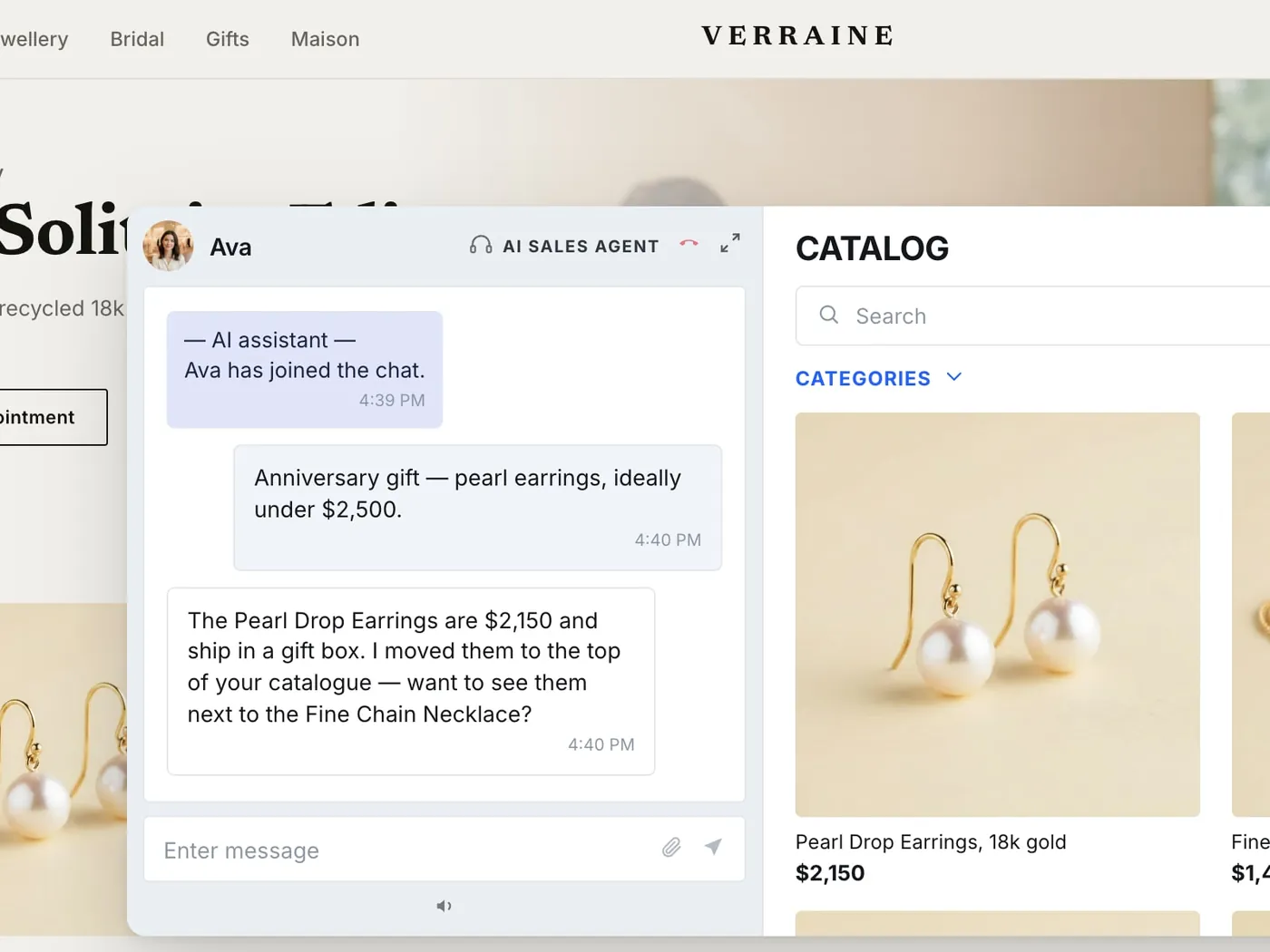


The Piece That Completes It
An experienced advisor rarely sells a piece entirely on its own. Almost every purchase at this level comes with a second thought, offered quietly: what the piece needs, or what would complete it.
Some of those thoughts are practical. Some are about taste. Both matter, and both tend to disappear online.
What a piece needs before it’s ready
Many luxury pieces aren’t quite ready to wear the moment they’re chosen.
A bracelet watch usually needs links removed to fit the wrist. A ring may need sizing. A bag may be designed for a strap sold separately. A piece of fine jewellery may need a clasp adjusted, or a chain length chosen.
On the floor, the advisor handles this without the client having to think about it. She measures the wrist, notes the size, arranges the adjustment, and the piece arrives ready.
Online, these needs are often discovered after delivery. The watch arrives and doesn’t fit. The ring is a size too small. The client then has to arrange the adjustment herself, at exactly the moment the house wanted her to feel delighted.
What would complete it
The second kind of thought is about the whole rather than the piece.
The earrings from the same collection would sit beautifully with this. If you’re wearing it with the navy coat, the smaller strap works better. This needs a case if you’ll travel with it.
A good advisor offers these selectively and, this is the important part, with knowledge of what the client already owns. Often the most valuable completing suggestion is you already have the perfect earrings for this: the pair you bought in the spring. That sentence sells nothing, and it is one of the reasons clients trust their advisor.
Why “complete the look” falls short
Most luxury sites have some version of a “complete the look” or “wear it with” section. These are well intentioned and often beautifully styled. But they share two limitations.
They’re the same for every client. The suggestions are chosen for the piece, not for the person. A client who already owns the matching earrings is shown them anyway.
They’re about styling, not readiness. They rarely mention sizing, adjustment, or what a piece requires before it can be worn: the practical completion that matters most to whether the experience feels effortless.
So the client gets a generic styling suggestion and none of the practical care. It’s the same gap as the house FAQ that is about the house: written once, for every client, and silent on the questions only she would ask.
What good looks like
Make readiness part of the purchase. Where a piece needs sizing or adjustment, ask for what’s needed at the moment of purchase, or better, let an advisor handle it in conversation, so it arrives ready.
Make completing suggestions personal. Where the client has a relationship with the house, her advisor knows her sizes and what she has bought or brought in for service, and can suggest what genuinely completes the piece, or tell her she already has it.
Separate the essential from the optional. What a piece needs before it can be worn is different from what might complement it. The first should never be missed; the second should be offered lightly.
Let her ask. Questions such as will I need the strap? or does this need sizing? should have somewhere to go from the page she’s on, answered by someone who knows the piece. Where it helps to see two options together, an advisor can show them side by side, in the same light.
What to measure
Adjustments arranged after delivery. Each one is a readiness need that wasn’t handled at purchase.
Pieces bought together with a complementary item through a consultation, compared with those bought alone, and how many consultations ended with you already have it.
Returns or exchanges for fit on pieces that typically need sizing.
Where Immerss fits
Immerss is a live commerce platform, and this is the part of it that lets a piece leave ready and quietly completed.
- AI Sales Agent: answers out of the house’s catalogue at any hour, on the house’s own site, so does this need sizing? or is the strap included? gets an answer while she is still on the page. Where a question needs a person, the conversation goes to one.
- Clienteling: Live Co-Shopping puts a named advisor on one-to-one video, with no download and no appointment, to show the piece, advise on fit and place the right items in her bag during the call. Outbound Clienteling keeps sizes and fit notes, preferences, past conversations and service history in a shared record the house owns, so the advisor who suggests what completes a piece is working from what this client already has.
What counts as essential for a piece, and when an advisor should suggest nothing at all, remain the house’s judgement; the software carries the record and the conversation.
The approach stays human, because completion is offered by an advisor who knows the piece; personal, because it starts from her sizes and what she owns, not from a block that is the same for everyone; and measurable, because the house can count adjustments after delivery, completed purchases and fit returns.
For a house, the entry point is a conversation and a 60-day pilot, on us.
On the floor, a piece leaves the boutique ready to wear and quietly completed.
Online, it often arrives needing something no one mentioned. The difference is a conversation.
Frequently asked questions
Often something practical: a bracelet watch usually needs links removed to fit the wrist, a ring may need sizing, a bag may be designed for a strap sold separately, a chain length may need choosing. On the floor the advisor arranges this at the moment of purchase so the piece arrives ready.
It is the same for every client, chosen for the piece and not for the person, so a client who already owns the matching earrings is shown them anyway. And it is about styling, not readiness: it rarely mentions sizing or adjustment, which matter most to whether the experience feels effortless.
Not when it is done well. The most valuable completing suggestion is often that the client already owns the right piece. That sentence sells nothing, and it is one of the reasons clients trust their advisor.
By asking for what is needed at the moment of purchase, or better, letting an advisor handle it in conversation, on text or live video, so the piece is sized or adjusted before it is delivered rather than after.